
Munich has a way of surprising people. You expect Germany, but what you get feels like its own world. It is not just cleaner or wealthier. The difference runs deeper than that. The pace, the mood, even how people interact feels slightly shifted.
Spend a few days here and you start noticing it. Things feel more relaxed, yet also more polished. There is tradition everywhere, but it does not feel stuck in the past. Compared to Berlin, Hamburg, or Frankfurt, Munich carries a kind of quiet confidence that shapes the entire experience.
So what exactly makes Munich feel so different? It is a combination of culture, history, lifestyle, and mindset that creates a distinct atmosphere.
A City That Feels More Like a Lifestyle Than a Place
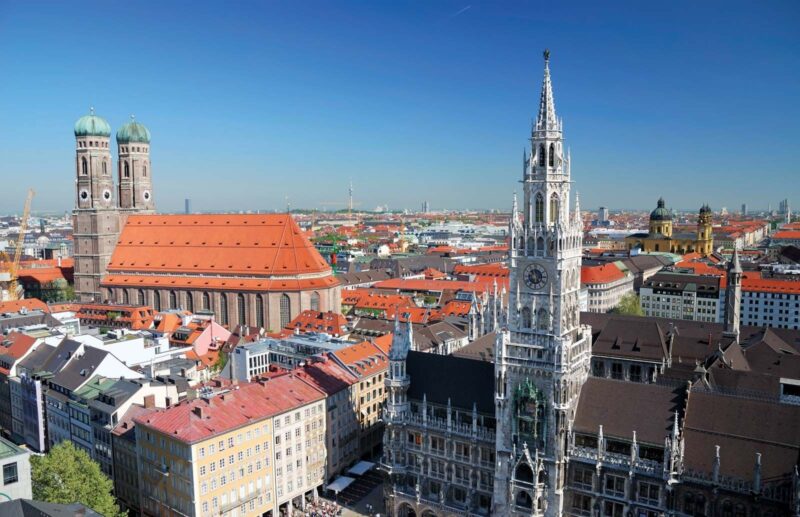
Munich is not just a city people live in. It is a city people build their lifestyle around. That is a subtle but important difference.
In many German cities, life revolves around work first. In Munich, there is a stronger balance. People take their free time seriously. You see it in the parks, beer gardens, and long afternoons by the Isar River. Social life is not squeezed in between obligations. It is part of the rhythm.
Interestingly, this lifestyle focus extends into every corner of the city. Whether someone is exploring local culture, enjoying nature, or even browsing services like escort München, there is a sense that experiences are meant to be enjoyed fully, not rushed through.
The Bavarian Identity Runs Deep
Munich is not just German. It is Bavarian first, and that changes everything.
Bavaria has its own traditions, dialect, and cultural pride. While other cities lean into a more modern or international identity, Munich holds onto its roots in a visible way. You will see traditional clothing, hear local expressions, and notice customs that feel distinct from the rest of the country.
This is not nostalgia. It is active culture.
Here is what stands out:
- Strong local traditions like Oktoberfest and smaller seasonal festivals
- A noticeable use of Bavarian dialect in everyday speech
- Food culture centered around regional specialties rather than global trends
That deep identity gives Munich a grounded feeling.
Clean, Ordered, and Almost Too Perfect
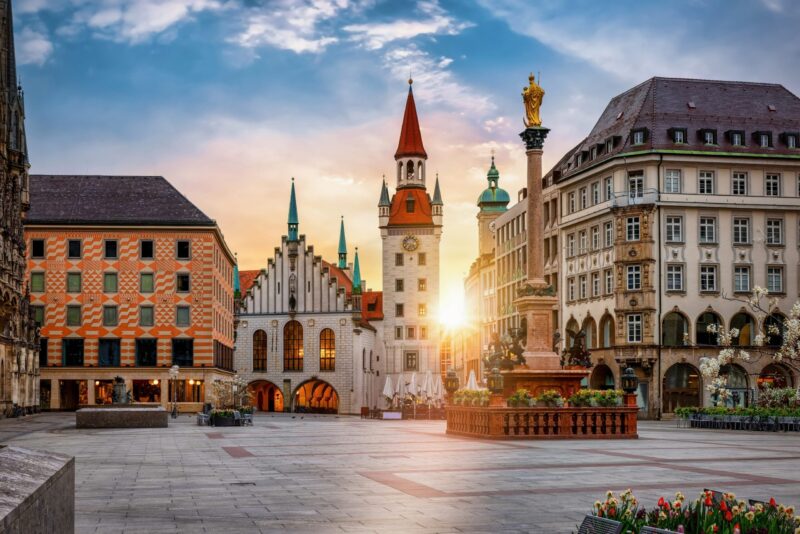
Munich often feels like it has been carefully arranged. Streets are clean, buildings are well maintained, and public spaces feel thoughtfully designed.
That level of order is not unusual in Germany, but Munich takes it further. There is a polish to everything that can feel almost surprising if you are coming from a more chaotic city.
Below is a simple comparison that highlights this difference:
| Feature | Munich | Berlin | Frankfurt |
| Cleanliness | Very high | Mixed | High |
| Pace | Relaxed | Fast and varied | Business-focused |
| Visual order | Consistent | Eclectic | Modern, structured |
What this creates is a sense of calm. You rarely feel overwhelmed here. Everything seems to function smoothly, and that consistency becomes part of the city’s identity.
Nature Is Not an Escape, It Is Part of Daily Life
One of the biggest differences in Munich is how easily nature blends into everyday life. You do not need to plan a trip to get away. It is already there.
The Isar River runs through the city, and locals treat it like a natural extension of their living space. Parks are not just decorative. They are active, social places where people spend hours.
Did you know?
Munich is one of the greenest major cities in Europe, with large public parks like the English Garden being bigger than New York’s Central Park.
This connection to nature softens the urban environment. Even in busy areas, there is a sense of openness that you do not always find in other German cities.
Wealth Without Flashiness
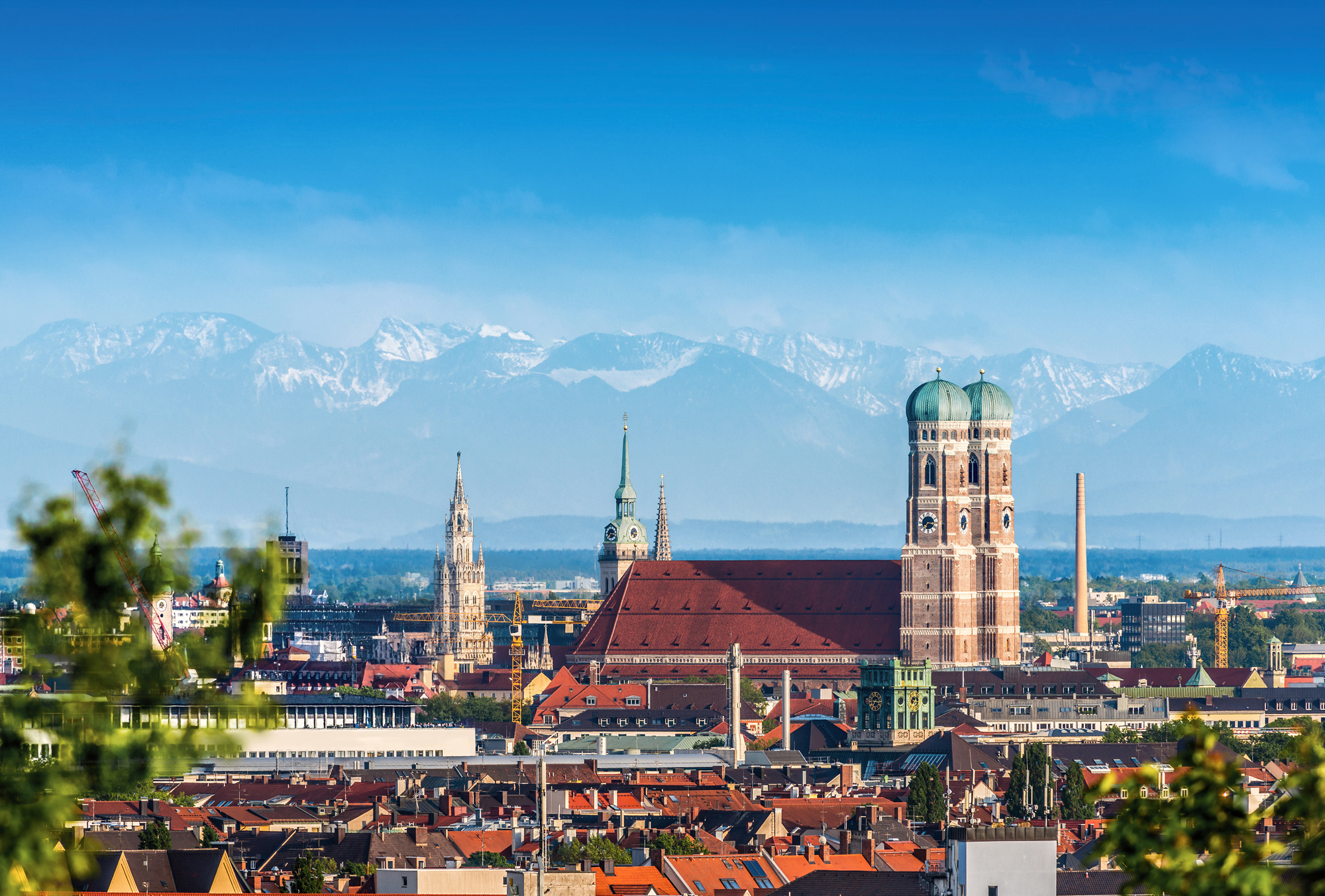
Munich is one of the wealthiest cities in Germany, but it does not show off in the way you might expect.
You will notice high-end shops, expensive cars, and well-dressed locals, but it is all understated. There is no loud display of wealth. It feels controlled, almost discreet.
Munich’s economy is driven by strong industries like automotive, technology, and finance, making it one of Europe’s most economically stable urban areas.
That stability influences the atmosphere. There is less urgency, less visible struggle, and more long-term thinking. People seem settled, not chasing something constantly.
It creates a feeling of security that is hard to define but easy to notice once you are there.
Social Energy Feels Warmer, But More Reserved
People often describe Munich as friendly but not overly open. That might sound contradictory, but it makes sense once you experience it.
Interactions tend to be polite and genuine, but they take time to deepen. Compared to Berlin, where conversations can be more direct and spontaneous, Munich feels slightly more measured.
Here is how that plays out:
- People are approachable, especially in social settings like beer gardens
- Conversations develop gradually rather than instantly
- There is a clear sense of personal space and respect
This creates a social environment that feels stable rather than unpredictable. It may take longer to connect, but when you do, it tends to be more consistent.
Tradition and Modernity Actually Work Together
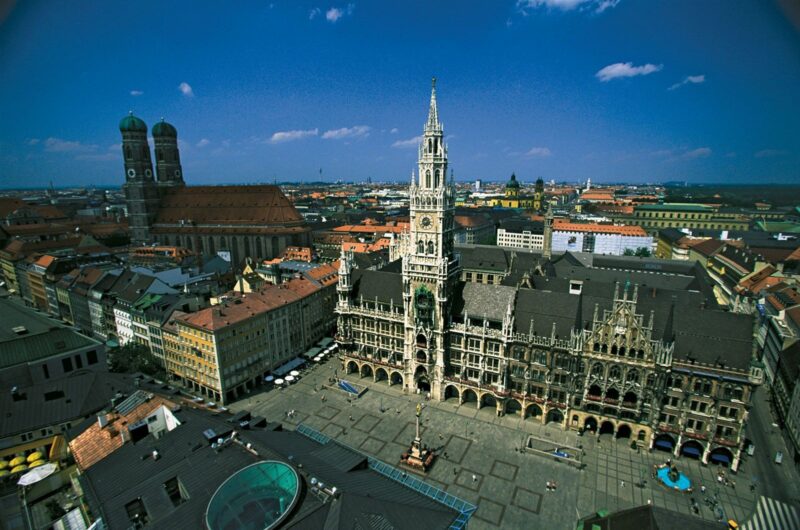
In many cities, tradition and modern life feel like they are competing. In Munich, they seem to cooperate.
You can walk past a historic building, step into a modern office space, and then end up in a traditional beer hall, all within a few blocks. None of it feels out of place.
This balance is one of Munich’s defining traits. It does not reject progress, but it does not abandon its past either.
The result is a city that feels complete. It does not lean too heavily in one direction. Instead, it blends elements in a way that feels natural.
That balance is hard to achieve, and it is one of the main reasons Munich stands out.
A Slower Pace That Still Gets Things Done
Munich feels slower than cities like Frankfurt or Berlin, but that does not mean it is less productive. It just operates differently.
People are not constantly rushing, yet things still function efficiently. Public transport runs on time, services are reliable, and daily life flows smoothly.
This creates an interesting dynamic. You get the benefits of a well-organized city without the constant pressure that often comes with it.
The slower pace also affects how visitors experience Munich. You are more likely to take your time, notice details, and actually enjoy where you are instead of just moving through it.
Why Munich Stays With You
Munich grows on you.
At first, it might seem quieter or less exciting compared to other major cities. But the longer you stay, the more you start to appreciate its rhythm. The balance between tradition and modern life, the connection to nature, and the understated confidence all begin to stand out.
It feels stable in a way that is increasingly rare.
That is ultimately why Munich feels so different and that authenticity is what makes it memorable.